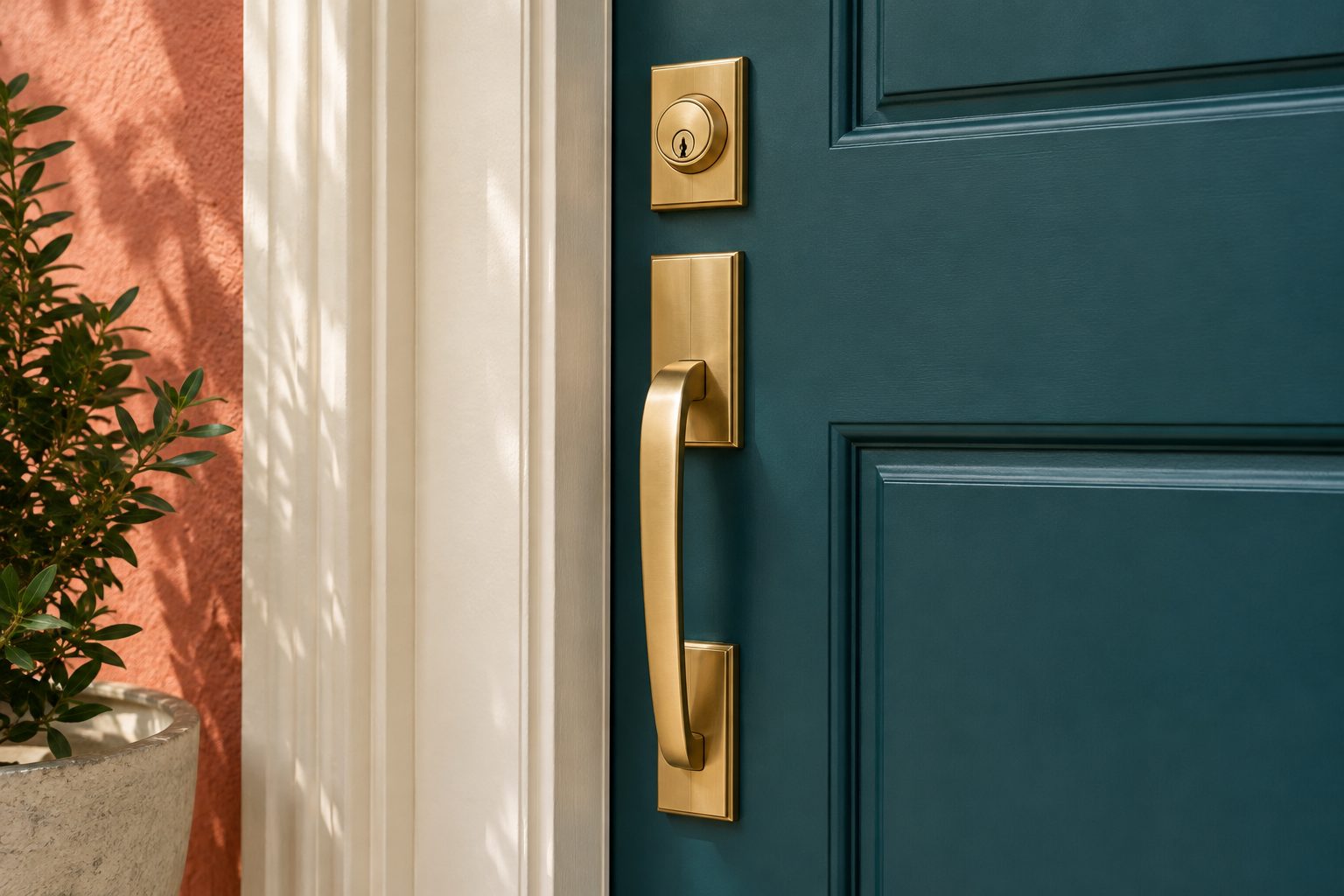
Miami-Dade County is roughly 2,000 square miles of coastline, causeway islands, 1920s masonry neighborhoods, postwar concrete block subdivisions, glass towers and working agricultural land, and the lock hardware changes completely as you move across it. A Brickell condo door and a Homestead packing house door have almost nothing in common except that both keep people out until something goes wrong. 24/7 Locksmith Miami works the whole county as a mobile operation, which means the shop travels to the opening.
That covers vehicle lockouts and car key origination, residential lockouts and rekeys, commercial storefront and exit device work, high security cylinders and restricted keyways, safe openings, broken key extraction, ignition and lock cylinder repair, smart lock installation and mailbox locks. Some of it is emergency work at two in the morning. A lot of it is planned work: a rekey after a closing, a master key system for a multi-tenant building, a hardware upgrade after a break in attempt showed the weak point.
The phone number is (786) 539-3980, and the first two minutes of that call determine most of how the job goes. What is locked, what kind of building or vehicle it is, where exactly you are standing, and whether anyone is at risk inside. Everything below explains what we do, how a mobile call actually runs, and how the geography and construction of this county shape the answer.
What Mobile Locksmith Service Actually Means
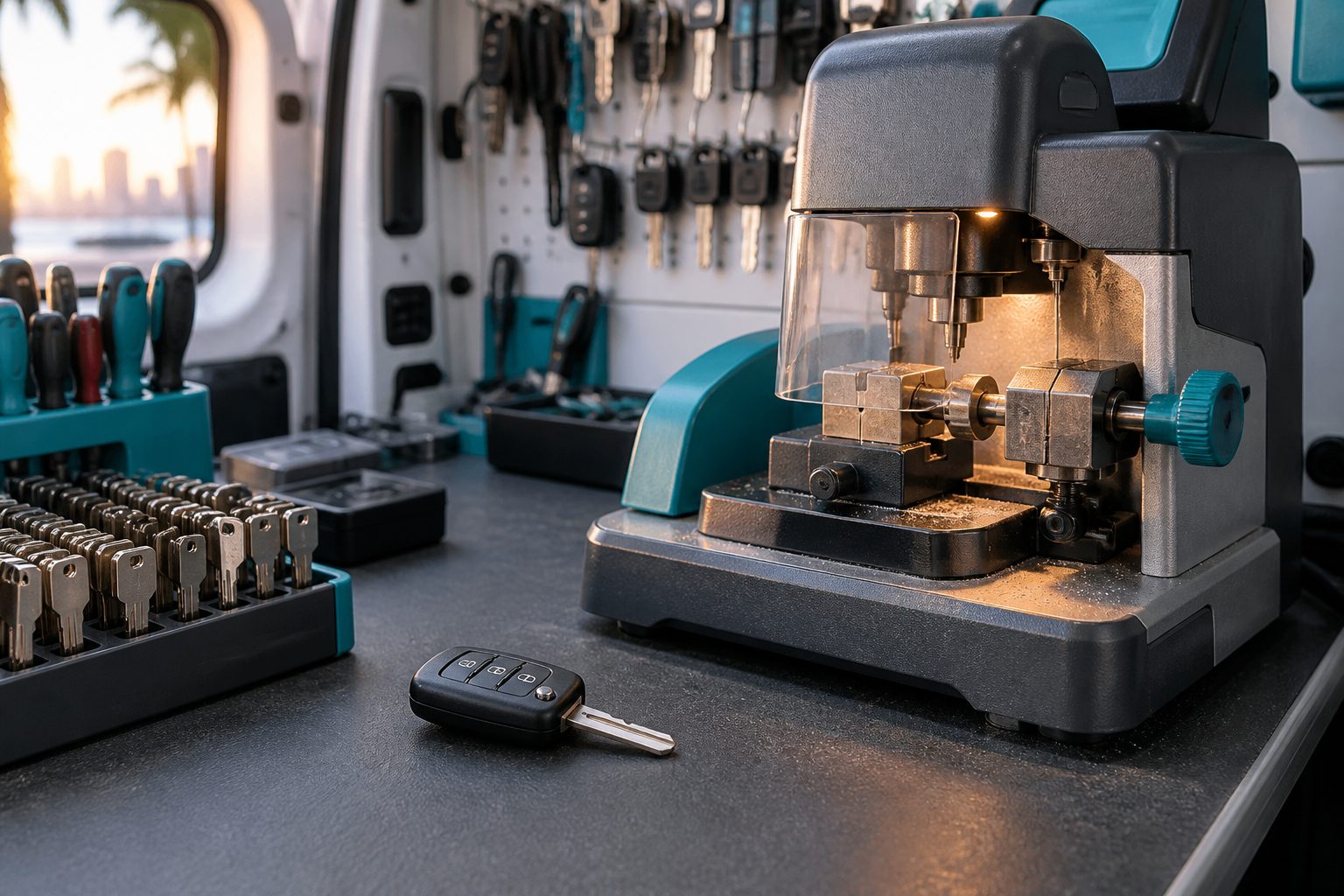
A mobile locksmith is a workshop on wheels. The service vehicle carries key machines capable of cutting edge cut and high security laser or sidewinder blanks, a stock of blanks across common and less common keyways, pinning kits and follower tools for rekeying cylinders in the field, transponder and immobilizer programming equipment with the vehicle side cables and adapters, drill rigs and carbide bits for the openings that cannot be picked, scopes and borescopes, extraction tools, and a supply of replacement cylinders, deadbolts, levers, closers and strike hardware.
The practical consequence is that most jobs finish in one visit at the opening itself. A rekey happens on your porch, not at a counter. A car key is cut and programmed where the car sits. The limits are worth knowing in advance: restricted and patented keyways can only be supplied through the authorized distributor or the management company controlling the system, some vehicle keys require a dealer level security code or a manufacturer imposed waiting period, and some safes need a part ordered in. When a job cannot be finished on site we say so before starting.
What Happens From the Moment You Call
The intake is structured because the information determines what tools leave the vehicle. For a car we want year, make, model and trim, whether it uses a bladed key, a remote head key or a push to start fob, whether all keys are lost or you still have a working one, and exactly where the vehicle sits. For a building we want the door type, whether it is a knob, a lever, a deadbolt, a mortise lockset or an aluminum storefront door, whether there is a security bar door in front of it, and whether the property is a house, a condo unit, a rental or a commercial suite.
Then we confirm the address the way Miami-Dade addresses actually work. The county grid takes its baselines from Flagler Street and Miami Avenue, and every address carries an NW, NE, SW or SE prefix off those. Hialeah runs a separate grid entirely with its own Palm Avenue and Hialeah Drive axes, so West 4th Avenue in Hialeah and NW 4th Avenue in Miami are miles apart. Gated communities need the community name and the gate. Towers need the garage level and column marking. Getting this right at intake is the single biggest time saver on any call.
Lockouts: Vehicles, Homes and Businesses
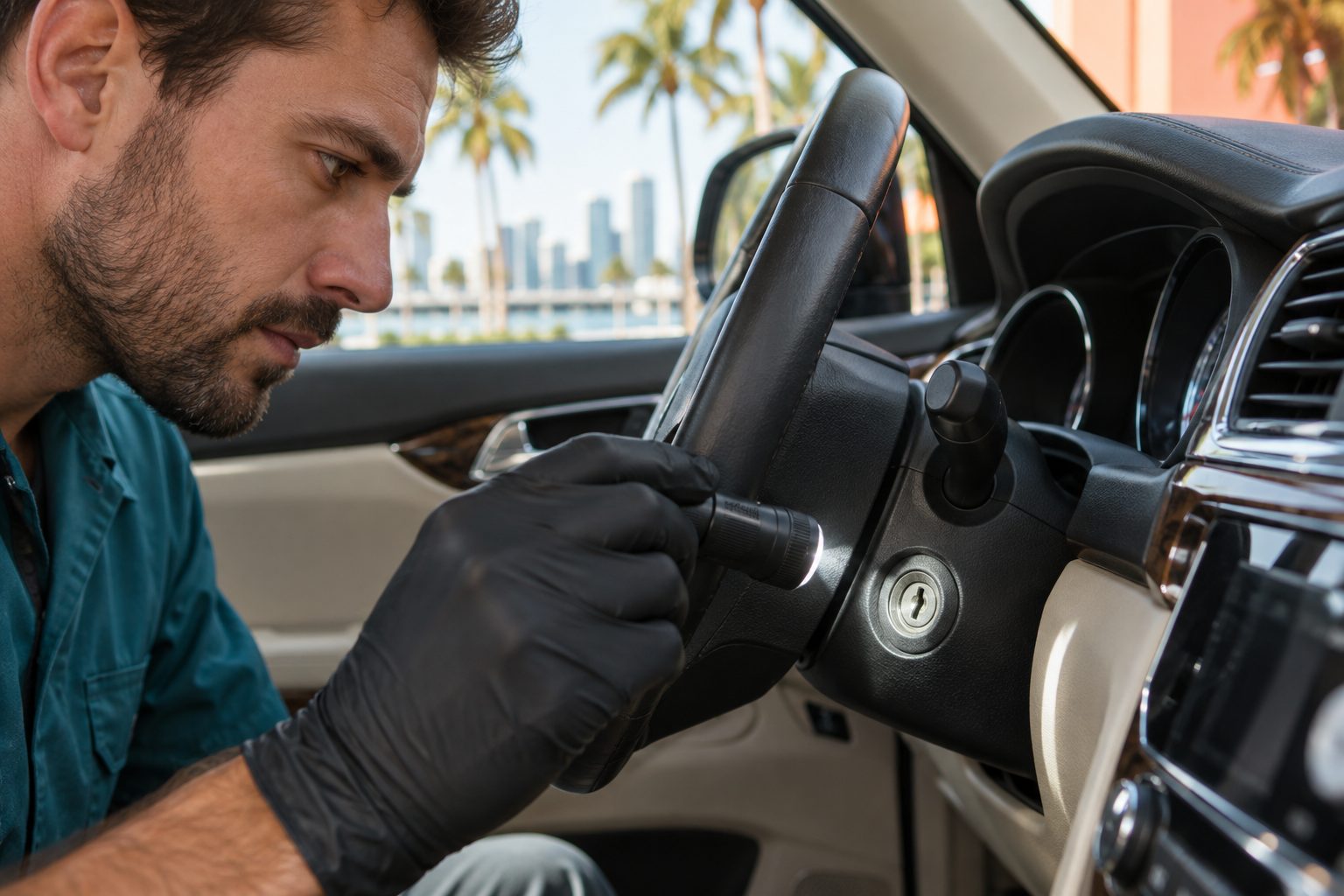
Vehicle lockouts are opened non-destructively where the vehicle allows it, using a composite wedge to create a controlled gap at a door corner, an inflatable bladder to hold that gap with distributed rather than point pressure, and a coated long reach tool to operate the interior handle, unlock button or lock stem. Modern doors hold side curtain airbags along the roof rail, window regulators, side impact sensors and door modules inside the cavity, so the entry corner and tool path are chosen for the specific model rather than improvised.
Residential and commercial lockouts start from the least invasive method that will work. Single pin picking and raking open a large share of standard pin tumbler cylinders. Bypass techniques handle certain latches, and under the door tools work on some commercial hardware. Drilling is the last resort and is aimed at a specific shear line or security pin, not at the door. On aluminum storefront doors with Adams Rite style MS deadlocks, the 1-1/8 inch mortise cylinder is the target and it is replaceable, so the glass and the stile stay untouched.
Car Keys, Fobs and Vehicle Programming
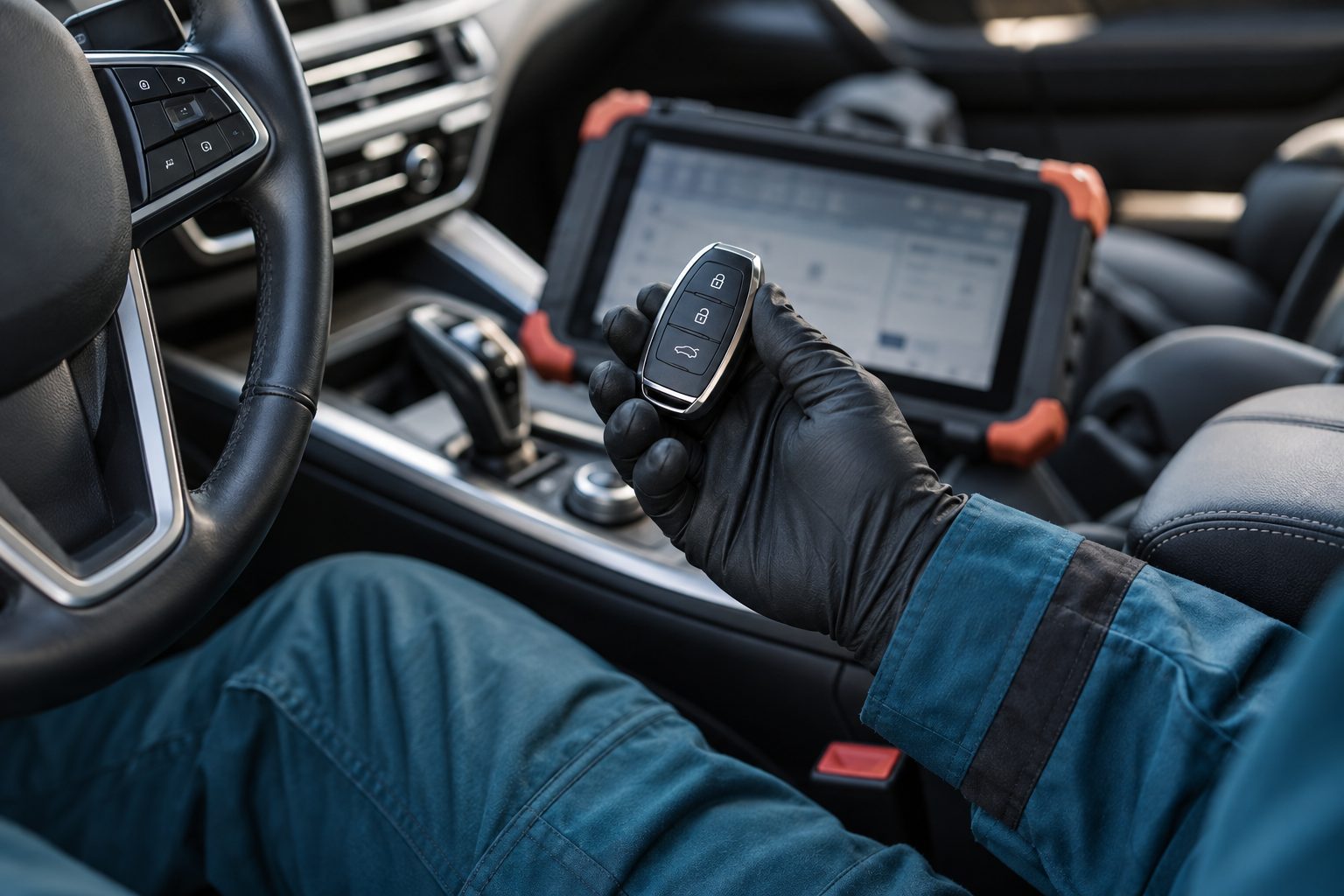
Vehicle key work spans four decades of technology. Purely mechanical bladed keys still turn up on older trucks and work vehicles. Fixed code transponders arrived in the mid 1990s and answer a coil challenge with a static identifier. Rolling code systems followed, changing the response on every cycle so a captured signal is useless. Current vehicles use encrypted bidirectional protocols with a security algorithm shared between key and immobilizer, and increasingly proximity fobs that authenticate without a physical blade.
Cutting the blade is the smaller half of the job on anything modern. Edge cut blanks are duplicated or originated by code. High security laser and sidewinder blanks require a milling machine that tracks a wavy internal or side channel. Then the key has to be enrolled in the immobilizer. When a working key exists the process is usually an add key routine. When all keys are lost the job becomes an all keys lost origination, often requiring the module to be read or the incoming key list to be erased first, which invalidates any old keys still circulating. We say plainly when that erasure is required.
Rekeying, Lock Changes and Key Control
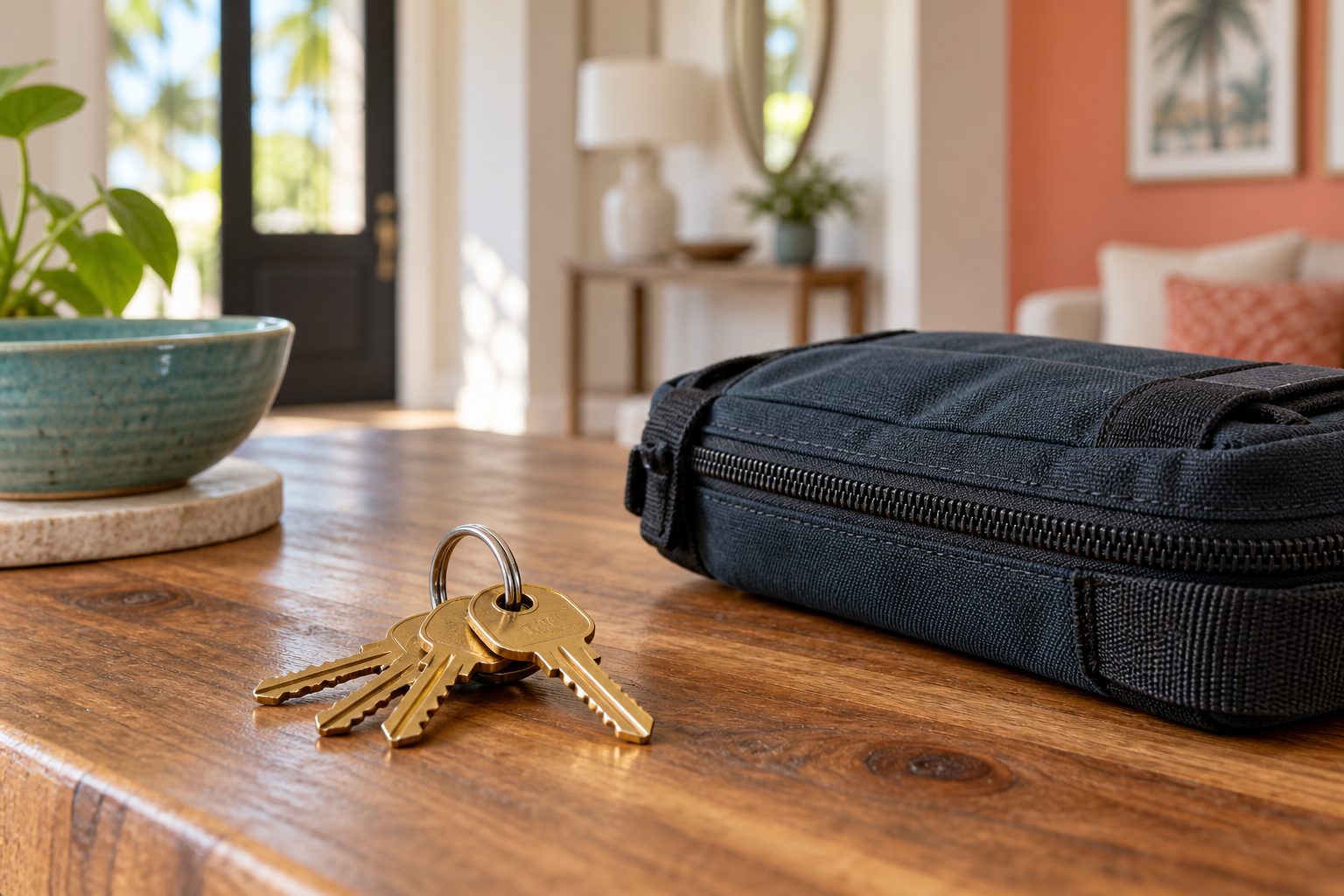
Rekeying changes which key operates an existing cylinder by repinning the plug to a new bitting. It is the right answer when the hardware is sound and the problem is who holds keys: after a purchase or closing, after a tenant turnover, after a contractor or cleaner had access, after a separation. It is fast, it preserves finish and fit, and on a group of doors it can key everything alike so one key runs the whole property. Rekeying cannot fix a worn, corroded or mechanically failing lock, and it does nothing about a weak strike or a split jamb.
Changing the lock is the right answer when the hardware itself is the problem, when you want a different grade or function, or when you are moving up to a restricted keyway. Key control is the part most people skip. A standard keyway means anyone can get a blank cut anywhere. A restricted or patented keyway means blanks are controlled and a duplicate requires documented authorization, which turns a key from a piece of brass into an accountable credential.
Commercial Work: Storefronts, Warehouses and Multi-Tenant Buildings
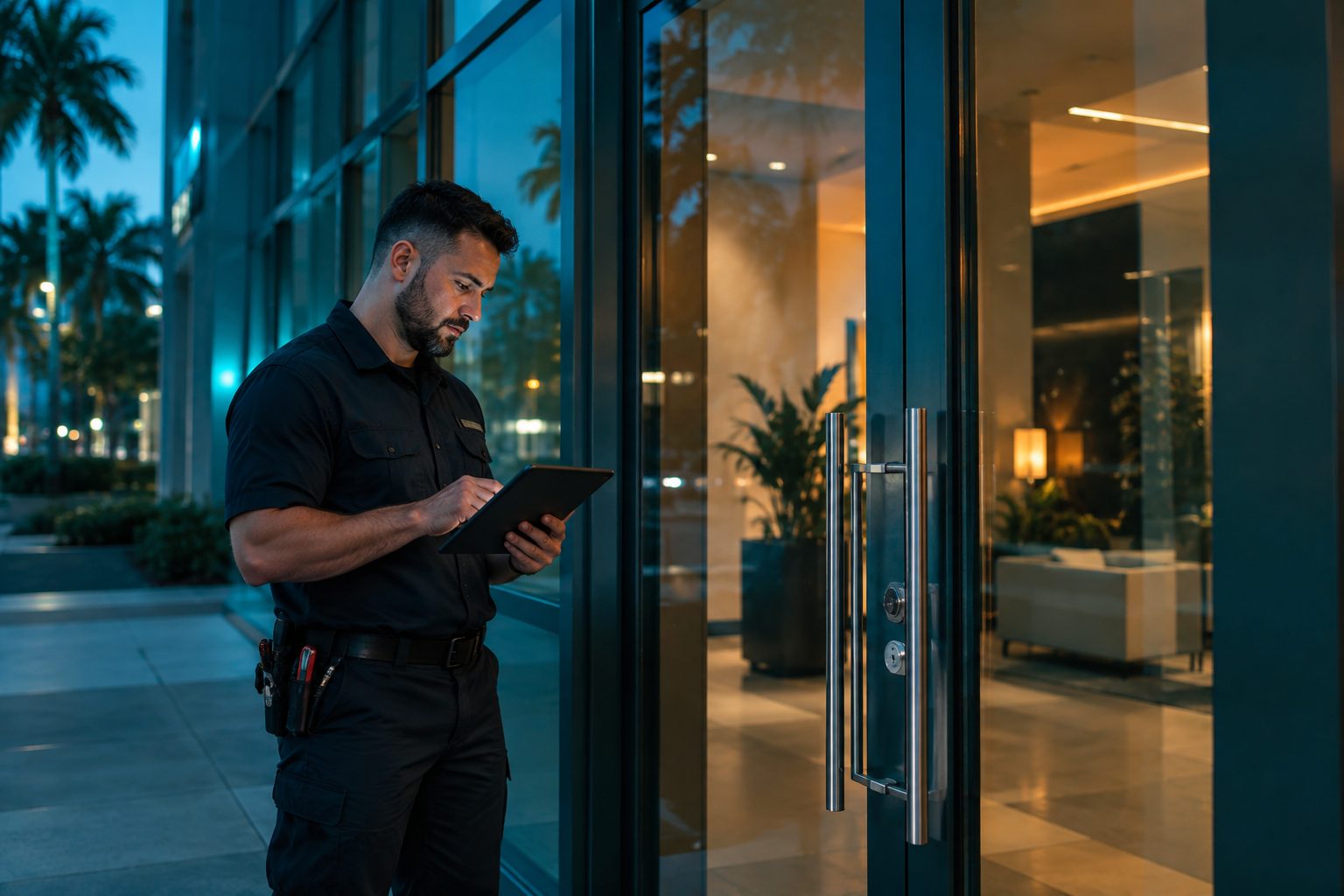
Commercial hardware is a different discipline. Narrow stile aluminum storefront doors in Downtown, Wynwood and every strip center corridor take Adams Rite style MS deadlocks with 1-1/8 inch mortise cylinders, paddle and lever trim, pivot hinges and overhead concealed closers. Required means of egress doors carry rim, mortise or vertical rod exit devices, and the rim cylinder and tailpiece are typically what needs service rather than the device itself. Doral and Hialeah warehouse fabric adds rolling steel doors with bottom bar cylinder locks, slide bolts, hasps and keyed operator disconnects.
Multi-tenant buildings run on master key systems, and the relationship between levels is where most confusion lives. A change key operates one door. A master key operates a group. A grand master operates above that. Adding a tenant, revoking a former tenant or rekeying one suite has to be done within the existing system so the building master still works and no unintended cross keying appears. Interchangeable core systems make that faster, because a control key pulls a figure eight core and a replacement drops in without disassembling the lock.
Brickell Towers, Hialeah CBS Ranch and Homestead Farm Buildings
The building stock changes the job more than the address does. In Brickell, Aventura, Sunny Isles Beach, Edgewater and Downtown, the norm is a layered access system: a proximity fob at the lobby, a video intercom, a transponder at the garage ramp, then a fire rated hollow metal or rated wood unit door in a steel frame carrying a mortise or cylindrical lockset plus a deadbolt, very often on a building wide master system with a restricted keyway controlled by management. Nothing on that door can defeat the closer or break the fire label.
In Hialeah, Westchester, Flagami and much of Kendall the dominant product is the concrete block and stucco house, exterior openings framed in masonry with steel jambs anchored into block. Strike reinforcement is rarely the weak point there because the strike side is backed by solid material. The security bar door, the reja, is extremely common and carries its own narrow stile mortise or rim lock ahead of the entry lock, making many calls a two lock problem. In Homestead, Florida City and the Redland edge, agricultural buildings bring padlock and hasp, rolling steel, and packing house hardware instead.
Hurricane Code, Salt Air and Hardware That Survives Here
Miami-Dade and Broward sit inside the High Velocity Hurricane Zone, where exterior assemblies need a Miami-Dade Notice of Acceptance including windborne debris impact testing rather than the statewide product approval. The technical point that matters to a locksmith is that an NOA is issued for a complete tested assembly and configuration, not for loose hardware. The slab, frame, hinges, threshold, fasteners and the lock are all part of the listing. Swapping a multipoint gearbox or a deadbolt on an impact rated entry door for an unlisted equivalent voids the approval for that opening.
Salt air is the other constant. Anything within reach of the bay or the ocean, including Key Biscayne, Surfside, Bal Harbour, Miami Beach and every coastal pool gate and mailbox bank, corrodes on a schedule inland hardware never sees. Satin stainless in the 630 finish is the practical baseline, with Type 316 stainless for the most exposed openings, and brass or bronze bodies outlast plated pot metal by years. A lock that binds every time it rains is usually telling you the finish specification was wrong.
Authorization and Proof That the Opening Is Yours
Every opening involves establishing that the person asking has the right to be there, and that is not a formality. For a home we ask for photo ID and something tying you to the address: a lease, a utility bill, mail, a closing document, or a property manager or front desk confirming you. For a vehicle we look for photo ID plus registration or insurance, commonly verified from the glovebox once the door is open. For a business we look for the person with authority over the premises rather than whoever happens to be standing at the door.
Condo and HOA properties add a layer worth understanding before you need it. Associations frequently require a vendor to sign in at the desk, use the service elevator during posted hours and have a certificate of insurance on file. Common area cylinders such as pool gates, mail kiosks, trash rooms and clubhouses belong to the association rather than the unit owner and cannot be rekeyed on a resident's request. None of that blocks an emergency opening, but it shapes what can be changed afterward.
Where the Work Happens Across Miami-Dade
The coverage runs from the north county line through Aventura, Sunny Isles Beach, North Miami Beach, North Miami, Miami Gardens and Opa-locka, down the barrier islands through Bal Harbour, Surfside, Miami Beach and South Beach, across the causeways into Edgewater, the Design District, Wynwood, Little Haiti, the Upper East Side, Downtown and Brickell, and out to Key Biscayne. West of I-95 it covers Allapattah, Liberty City, Overtown, Little Havana, Coral Way, Shenandoah, the Roads, Silver Bluff, Flagami and Fontainebleau.
The western county means Hialeah, Hialeah Gardens, Miami Lakes, Miami Springs, Doral, Sweetwater, West Miami, Westchester and Tamiami, where the call mix leans commercial and industrial. South county runs Coral Gables, Coconut Grove, South Miami, Pinecrest, Palmetto Bay, Cutler Bay, Kendall, West Kendall, the Hammocks and on to Homestead and Florida City. Each has its own access pattern, dominant hardware and dispatch quirks, which is why the intake questions change depending on where you say you are.